 |
| Credit: Asia Pacific Rayon Corporate Brochure 2022 |
Today’s Fashion Trends
Fast Fashion vs Sustainable Fashion

-
Raw Materials
Natural fibres are typically more eco-friendly than synthetic ones. This material has the benefit of being biodegradable, which allows it to decompose organically in the soil after being discarded. However, a material is not inherently sustainable just because it is natural; its source ought to be considered as well. As an example, environmentally friendly raw materials come from plantations of rapidly growing trees that are efficient at absorbing carbon and releasing oxygen. These plantations are managed responsibly and harvested for a certain period before being replanted, which assures a steady supply of renewable raw materials.
-
Production Process
When manufacturing products, the business ensures the efficient and careful use of natural resources (water, soil, biodiversity, energy, etc.), including effective waste management. In order to implement a sustainable manufacturing process, they make the most of their products’ ability to be repaired, remanufactured, reused, and recycled as well. Also, they reduce emissions by using technologies associated with renewable energy.
-
Community
Considering wider impacts on the local community is important. The business creates jobs in operations and aims to bring forward the areas where it operates as well.
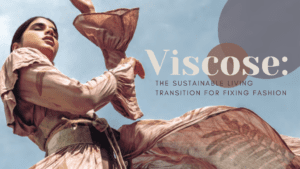
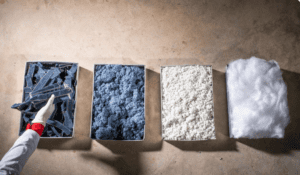
One of the natural fibres that is predicted to be the fashion of the future is viscose. Viscose rayon is a textile made from renewable wood-based fibre that is both bio-based and biodegradable. It is a man-made cellulosic fibre (MMCF), the second-largest type of cellulosic fibres after cotton. Viscose is a commonly used material in the textile industry due to its softness, breathability, and versatility. They are made from natural wood cellulose, which comes from fast-growing trees like eucalyptus and acacia. Since it is bio-based and sustainable, that makes it preferable to other synthetic fabrics.
Sustainable Living with Royal Golden Eagle (RGE)
In Riau, Indonesia, there is the largest viscose producer in the world. They are PT Asia Pacific Rayon (APR), which is part of the Royal Golden Eagle (RGE) Group. They particularly manufacture viscose rayon for textile and personal hygiene products. As part of their 5Cs business concept, their aim is to be the largest, best-managed, and most sustainable resource-based organization by adding value to the community, country, climate, customer, and company. They claim to be global leaders in renewable resource manufacturing and efficient energy industries.
By ensuring that the raw materials used have a minimal impact on the environment, APR strives for ecological balance and protects natural resources. Thus, APR’s viscose rayon comes from trees cultivated on sustainably managed plantations that have been independently certified by the Programme for the Endorsement of Forest Certification (PEFC). Furthermore, they participate in the Zero Discharge Hazardous Chemicals (ZDHC) Foundation’s Roadmap to Zero Program and have a commitment to clean manufacturing. Among other things, they want to implement the ZDHC MMCF Guidelines, which are made up of the ZDHC MMCF Interim Wastewater Guidelines, the ZDHC MMCF Interim Air Emissions Guidelines, and the ZDHC MMCF Responsible Fibre Production Guidelines. Based on these facts, APR is taking an ambitious stance on sustainable living. They attempt to mitigate the impacts of climate change and save the environment for future generations.
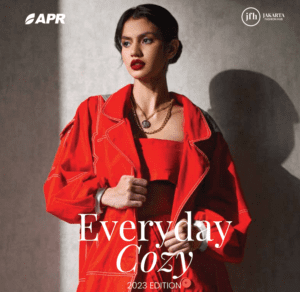
Textile fibre from APR has many uses. From viscose fibre, woven or knitted fabric can be used to make soft-to-the-touch undergarments, baby clothing, shirts, and dresses. In terms of style, it is becoming more popular as the fabric of choice for modest wear in countries with a predominance of Muslims. Furthermore, non-woven viscose fibre has grown more popular on both the local and global markets. They are used for the production of baby wipes, dry and wet wipes, beauty masks, and other hygiene goods. Even at home, viscose rayon is the perfect material for high-end bed sheets, towels, napkins, curtains, and drapes.
 |
| Credit: Jakarta Fashion Hub Lookbook 2023 |
Speaking about fashion, APR initiated a collaborative space called Jakarta Fashion Hub (JFH), which promotes the growth of a sustainable fashion industry in Indonesia. They offer an opportunity for collaboration for businesses, designers, entrepreneurs, and fashion enthusiasts. JFH provides facilities including co-working spaces, a photo studio, workshop areas, ready-to-buy fabric, event spaces, and educational programs in fashion. The aim is to connect, collaborate, motivate, generate, and act as a platform for the advancement of the country’s sustainable textile, fashion, and creative economy industries. The Muslim Fashion Festival (MUFFEST), Fashion Revolution, and Jakarta Muslim Fashion Week are just a few of the fashion-related events they host, support, and take part in in 2022.
When all was said and done, fashion should not cost the earth. It has never been more pertinent for us to work toward a sustainable living for the better future. We must take action to lessen the annual production of fashion waste. As an example, we may start to do mindful shopping by choosing sustainable fashion products. It focuses on carefully examining items’ places of origin, manufacture, and expiration dates in order to choose the most ethical and environmentally friendly options for purchases and consumption. By doing this, the fashion industry can contribute to environmental protection, and we as consumers can obtain higher-quality materials. After all, the synergy between producers and consumers must be aligned. As we do sustainable living with Royal Golden Eagle by switching to using high quality viscose-based clothes.